Filter Reset

Fellowship Programme

Country

Area of Interest

Topic

Open Dialogues: How to Build Peace during Wartime

Fellowship Summary: Identifying good practices in open dialogue for peace-building and social cohesion, piloting a training, then scaling up with good practices from Finland/Sweden and youth in Ukraine.

Yuliya’s Fellowship project was aimed at peacebuilding and integration, both in Ukraine and EU countries. The project encompassed field research, the development of youth-friendly methods for involving young IDPs (internally displaced persons) and refugees, and the creation of a Facilitation kit for conducting dialogue in peaceful communities.

The Fellowship project allowed Yulia to study institutions working on peacebuilding and youth involvement in Finland, Sweden, and Denmark. She analyzed practices from 20 institutions and was involved in stakeholder talks with 28 youth workers and local stakeholders from Ukraine and Finland, sharing their experiences and ideas on youth involvement in peacebuilding and integration. Methodologies for inclusive youth participation were designed based on user experiences and good practices and piloted through dialogue events with over 115 young people in Ukraine and Finland.

As a final product, Yulia and her colleagues from the Youth Organization STAN network published a Facilitation Kit for Peace Dialogue with Youth. This publication, available in paper and PDF format in English and Ukrainian, serves as a practical tool for youth workers (facilitation kit free to print and use is available on STAN website here in English and here in Ukrainian). It has already been presented in four countries, with participants from 11 different CSOs representing at least seven countries.

Direct beneficiaries of the project include young people of Ukrainian origin, young refugees, and IDPs, as well as youth workers in Ukraine who organized various activities for over 2,000 young IDPs in Volyn, Zakarpatia, and Ivano-Frankivsk regions.
Country Ukraine
The scope of
Type of solution
The technology used
The budget development decisions 0

Team

Risks and Opportunities: Towards a Better Understanding of Internet Voting in Moldova

Fellowship Summary: Facilitation of participatory analysis of risks and opportunities related to internet voting in the electoral, social and security context of Moldova, and sharing of international good practices.

Imagine having to travel to another city or country, wasting precious time – sometime days, and spending your own money just to be able to vote. Unfortunately, this is the reality of many Moldovans living abroad who want to have a say in elections. For Mihai Mogildea, EU-funded Eastern Partnership Civil Society Fellow, it was clear that given the generally low participation rates in Moldova, enabling those living abroad to vote will significantly improve the representativeness of results. Now those living abroad have to make significant efforts in order to be able to vote. They often must travel long distances at their own expenses to reach a voting poll which will most likely not be in their city of residence or even country of residence. They spend time and resources to make their voices heard.

Nevertheless, an encouraging number of 260,000 citizens from the diaspora voted in summer 2021 for the parliamentary elections, twice more than in 2016. The high turnout surprised everyone, including experienced electoral observers. This showed there is a huge participation potential in the diaspora that was not really understood and tapped into until recently. The elected Parliament promised they would do everything they can to improve the voting conditions for the diaspora – for which alternative voting methods are crucial. With the experience of the last elections in mind, Mihai believes now is a good moment to advocate for internet voting in the country. If the window of opportunity is missed and internet voting is not introduced within the next months, in 2024 and 2025 there will be no alternative methods for voting and the diaspora will again have to queue and travel hundreds of km just to vote.

In the summer of 2022, Mihai participated in a public consultation of the Parliament in which amendments to the electoral code proposed by Central Commission were being discussed. But alternative voting methods were missing. Mihai was quite disappointed to see these changes hadn’t been proposed, having participated in the Working Group of the Electoral Commission which developed the concept on internet voting in Moldova and which covered all the aspects of internet voting.

Nevertheless, his EaP Civil Society Fellowship project brought very concrete results. Among his recent achievements, Mihai counts the fact that, through his fellowship project, he was able to increase awareness and interest in the mass media, civil society, and the political class regarding internet voting. With the many threats of 2022 (the war in Ukraine, the cost-of-living crisis, the energy crisis) there was no interest to even discuss this publicly. In order to make the topic more prominent in public discourse, Mihai and his mentor, Victor Guzun – former Ambassador of the Republic of Moldova to Estonia, approached TV and radio channels to cover the topic during five talk shows. They also approached different journalists who in turn approached different ministers and MPs to ask about any plans for internet voting.

During his fellowship, Mihai also worked closely with the Coalition for Free and Fair Elections (bringing together 35 NGOs) as it was important to gain their support for internet voting as an alternative method. Within his fellowship project, he developed the only materials dedicated to internet voting in Moldova and managed to keep this issue on the agenda. The Central Electoral Commission is now working on piloting and testing internet voting which hopefully will lead to something more concrete soon. The legitimacy of the next Parliament in the diaspora depends on the successful organisation of the next elections. After having obtained the EU candidate status, Moldova needs to fulfil several conditions, one of them being the amendment of the electoral code and the reform of the electoral and legislative system.

Mihai perfectly understands that internet voting will not become a reality tomorrow, but the process is advancing. With a system that will hopefully soon be tested, piloted, and confirmed as a working alternative, the political actors opposing the change will have few arguments left.

As for the near future, Mihai plans to continue working on internet voting and the electoral process considering there will be local, presidential, and parliamentary elections in 2024 and 2025. He plans to be involved in the monitoring process and raising awareness, as well as promoting digital services in the country. Together with his mentor, he is planning to promote digital services at the regional level, making people aware of how important it is to have electronic signatures and hoping to increase the number of users of existing governmental platforms for digital services and digital transformation in Moldova. With more people using digital services and having e-signatures (around 3% of citizens have an e-signature), voting easily from any location in the world could become a reality.

Country Moldova
The scope of
Type of solution
The technology used
The budget development decisions 0

Team

Enhancing the Capacities of Local CSOs in the Youth and Women Needs Assessment Process

Fellowship Summary: The Fellowship project aims to increase the capacity of local CSOs to successfully identify, understand, and better tailor activities to address youth and women’s challenges, including mentoring on leadership skills.
The project was designed to empower local Civil Society Organizations (CSOs) in identifying and addressing the challenges faced by youth and women at the grassroots level. Implemented through a series of workshops, webinars, and mentoring sessions, the project aimed to equip CSOs with the necessary skills and knowledge to conduct effective needs assessments and develop tailored interventions.

The project began with a public call inviting CSOs to participate in workshops focused on needs assessment methodologies. Three workshops were conducted, bringing together a total of 45 participants, including CSO directors, project managers, volunteers, young people, and women from rural areas. These workshops provided a platform for participants to enhance their understanding of the challenges faced by youth and women and to learn best practices for needs assessment.

Additionally, the project selected 15 local NGOs from different regions of the country to receive mentoring support. These organizations were guided in conducting their own needs assessments, with a focus on identifying the specific needs of youth and women in their communities. The project also developed and distributed a supporting toolkit to assist these NGOs in their assessment process. To further extend the project’s reach, a webinar was organized, attracting 75 participants from various CSOs, youth centers, and women’s associations.

As a result of the project, CSOs have increased their confidence in assessing community needs and have become more engaged in communication with local public administrations. The project has also contributed to a more active approach in working with young people and women beneficiaries, ultimately enhancing the impact of CSOs in addressing the needs of these vulnerable groups.

Moving forward, the project’s impact is expected to be sustained through the dissemination of knowledge and skills gained by trained CSOs to their partners, as well as the continued use of the supporting toolkit for conducting effective needs assessments. The project has laid a foundation for CSOs to play a more proactive role in addressing the needs of youth and women, contributing to the overall development and well-being of their communities.

Country Moldova
The scope of
Type of solution
The technology used
The budget development decisions 0

Team

‘City Dream’: a crowdsourcing platform for local communities

Fellowship Summary: Development and launch of a ‘City Dream’ digital platform that facilitates more participatory local planning in the Cherkasy region of Ukraine.

Denys Andrushchenko’s City Dream Platform is a crowdsourcing initiative in Ukraine, serving as an effective communication tool between businesses, local government, and community residents. Launched in April 2023, the platform empowers active residents to highlight critical community issues through social projects, fostering collaboration among stakeholders to address these challenges by inviting them to join the project and contribute their resources. This approach has already yielded tangible results, with success stories inspiring greater civic engagement and citizenship.

The City Dream Platform has not only initiated impactful campaigns but has also received acclaim from volunteers and activists in Cherkasy. The platform’s success lies in its ability to bridge gaps and stimulate solidarity among diverse groups.

Through the City Dream Platform, Denys has sparked a seed of change, inspiring active citizens to persist in working with public servants and holding them accountable. Despite challenges, including the impact of war on Ukraine and its people, Denys remains committed to promoting the City Dream platform and the crowdsourcing approach.

Country Ukraine
The scope of
Type of solution
The technology used
The budget development decisions 0

Team

Transparent Budget Is Not A Lux

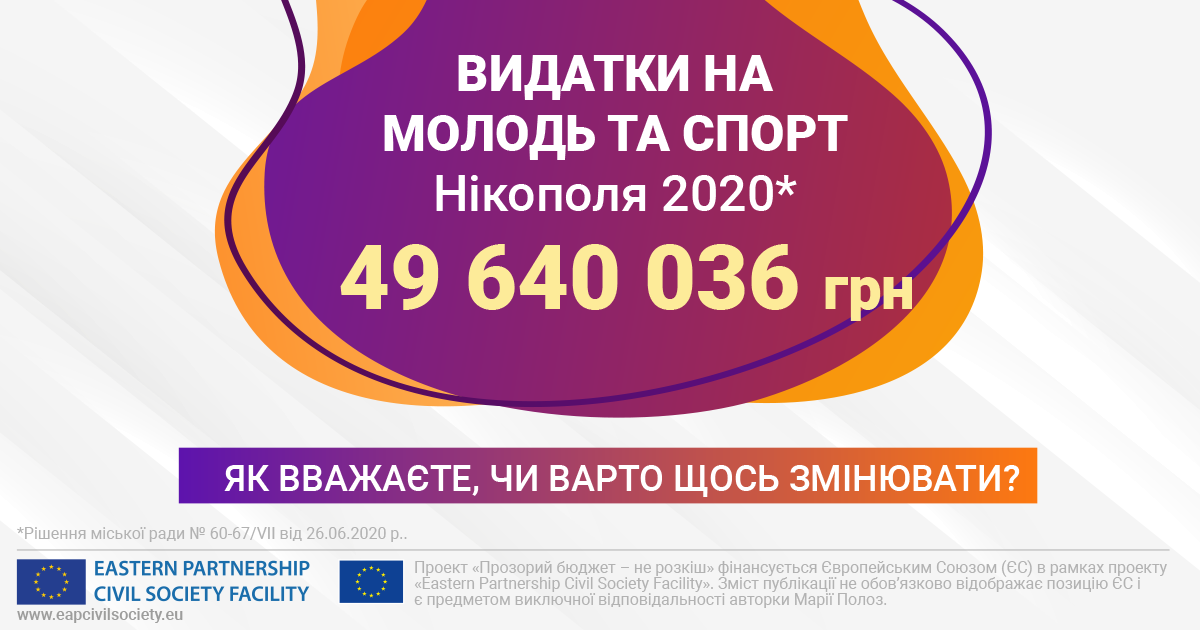
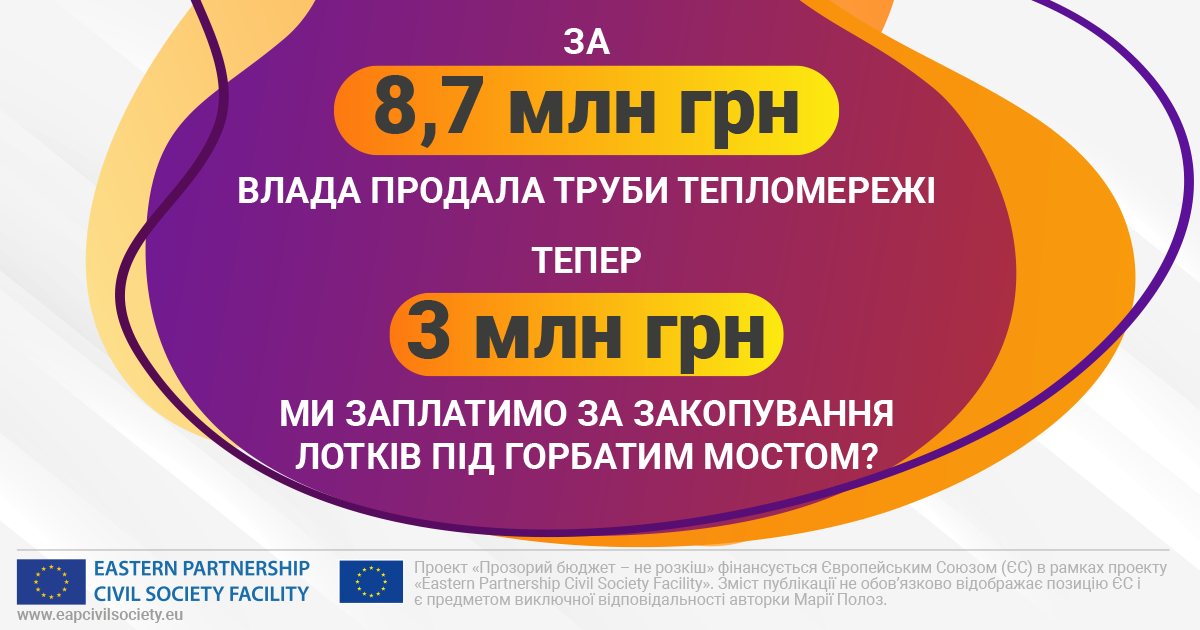
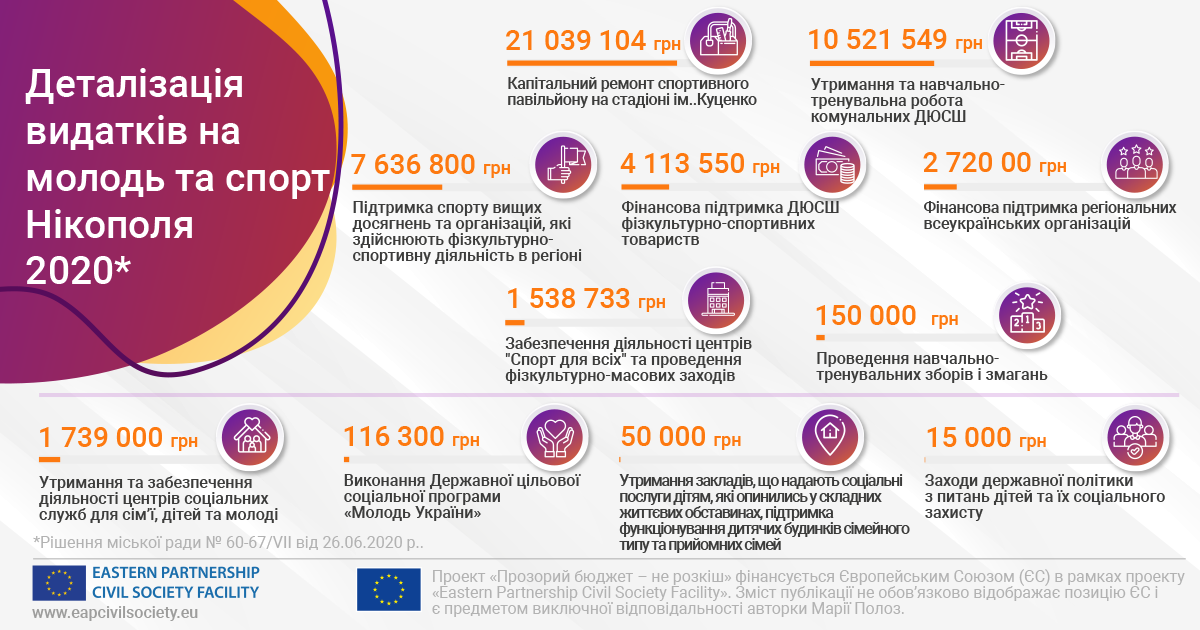
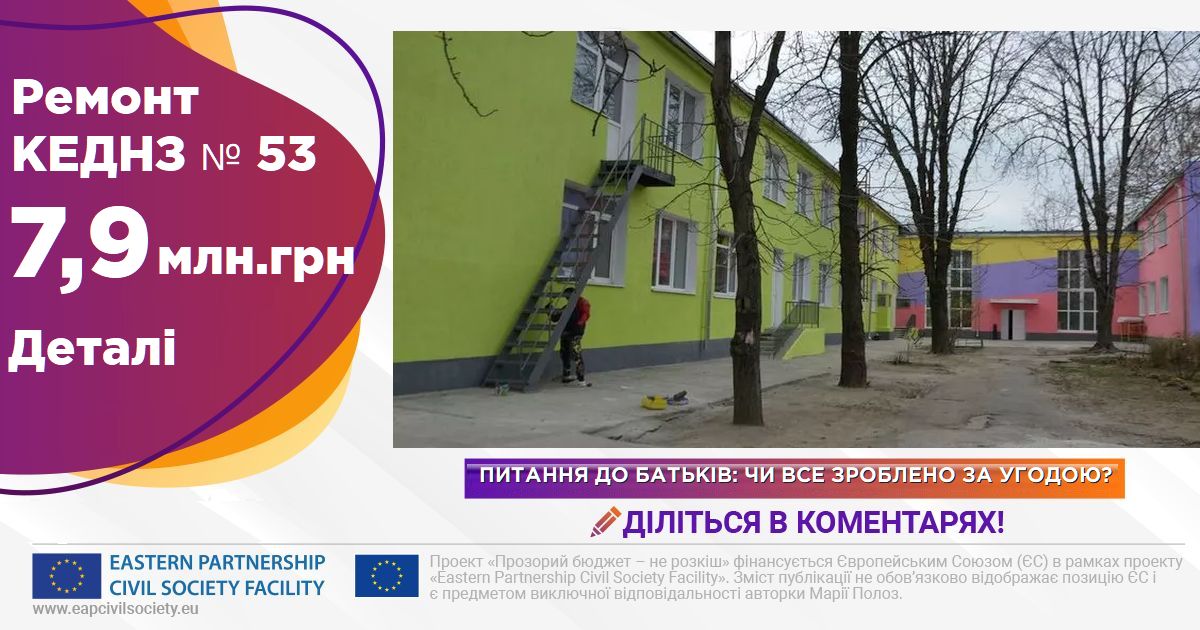
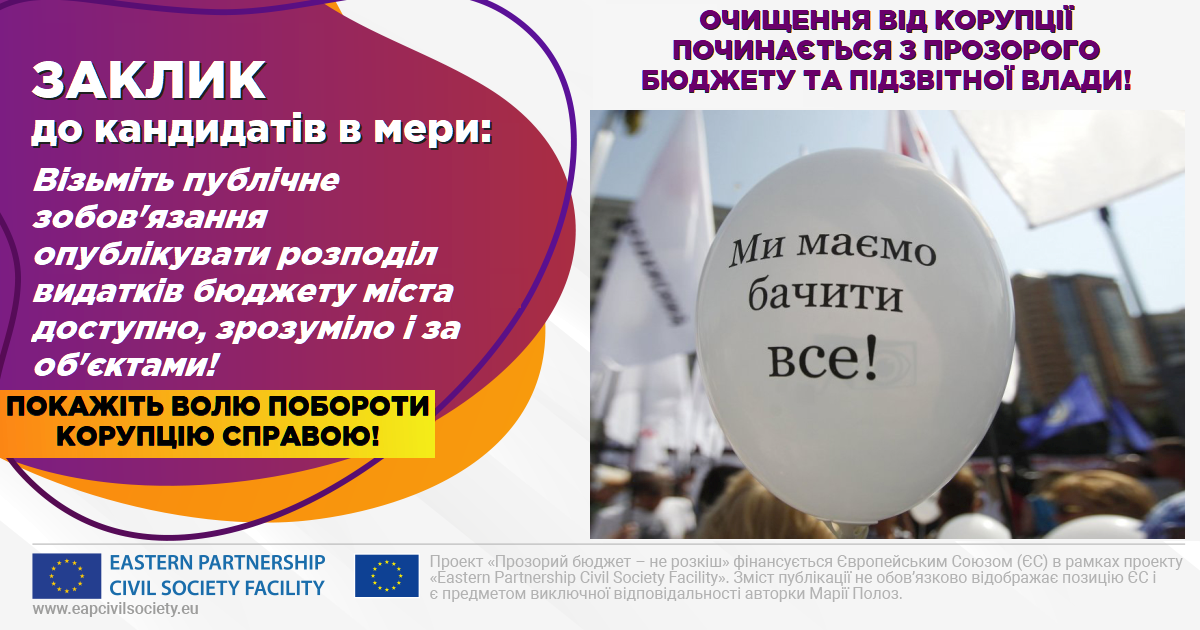
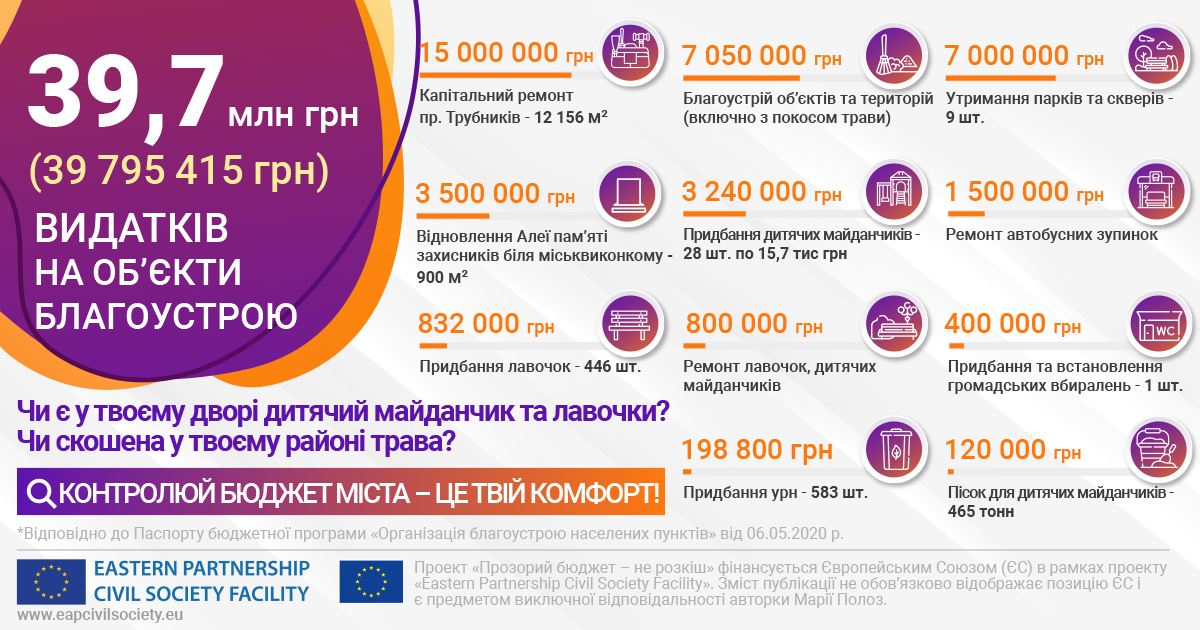
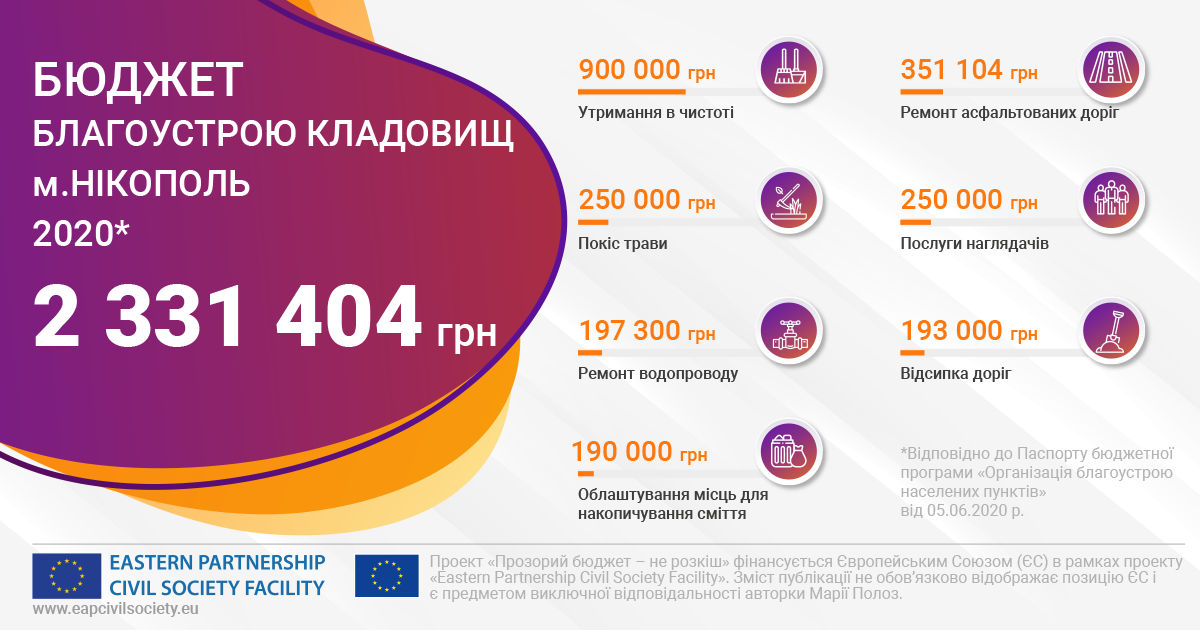
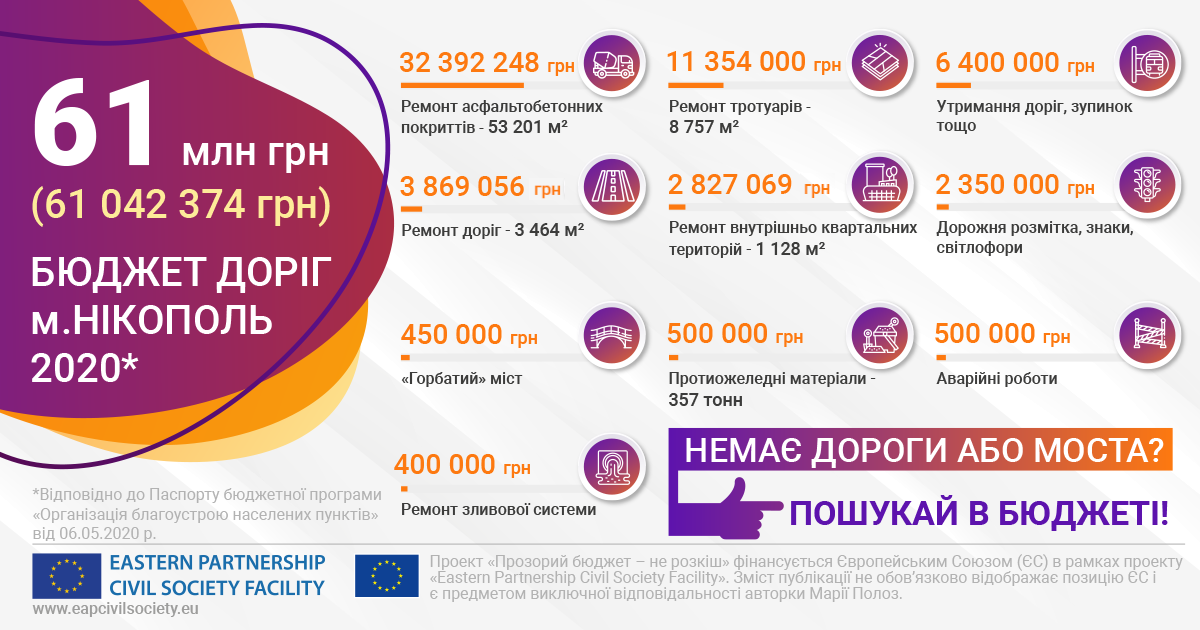
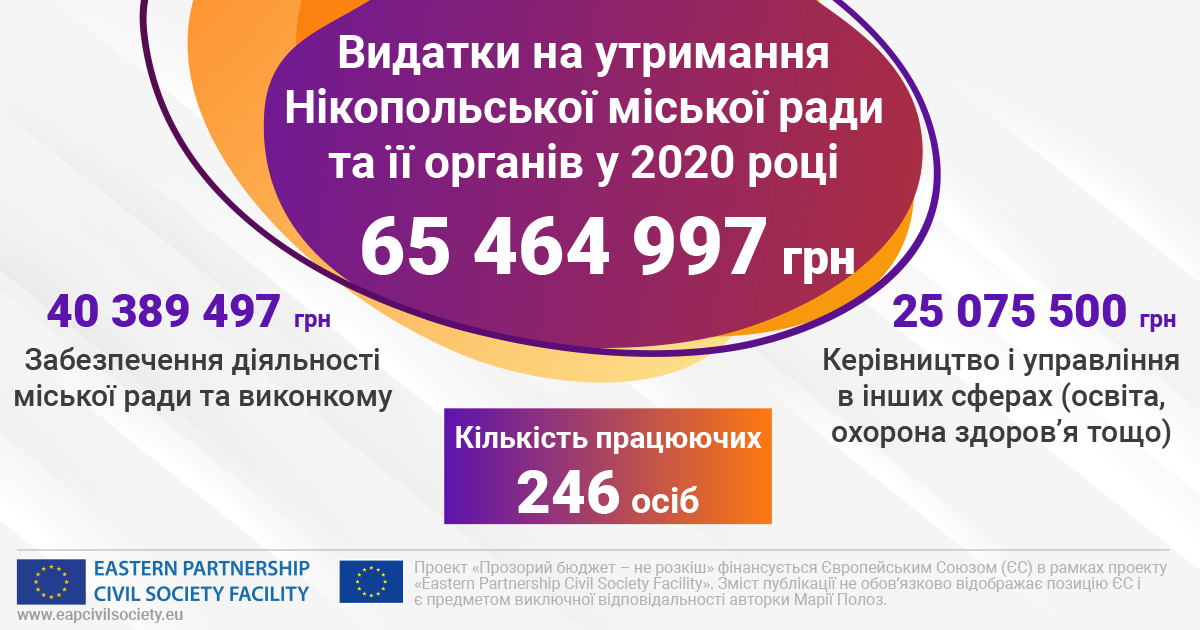
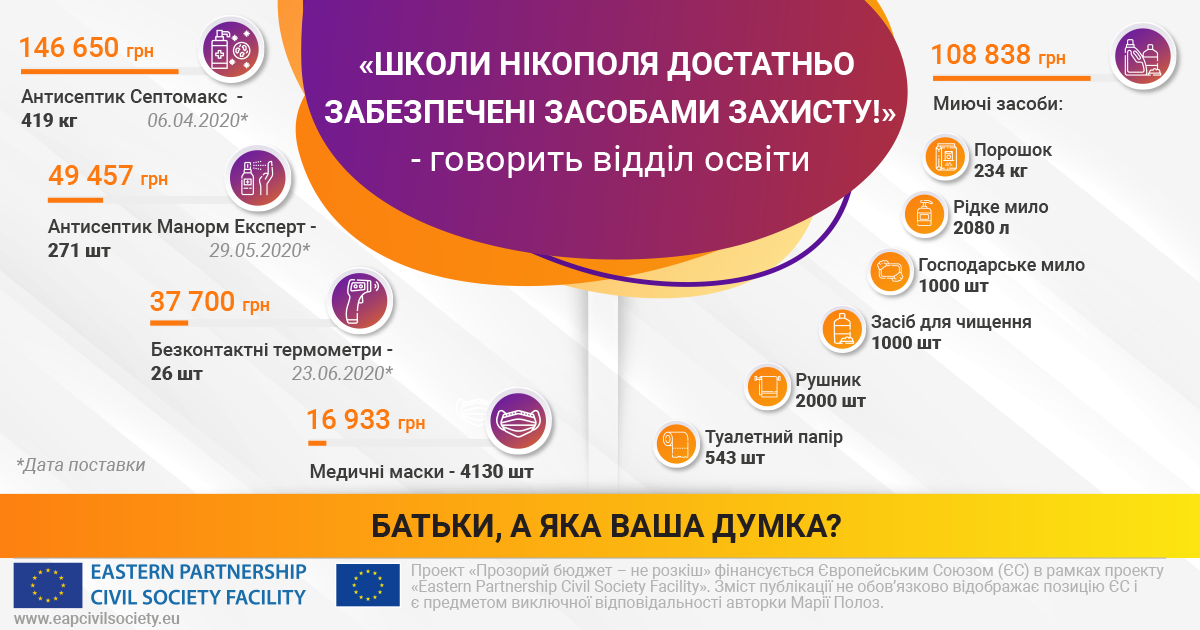
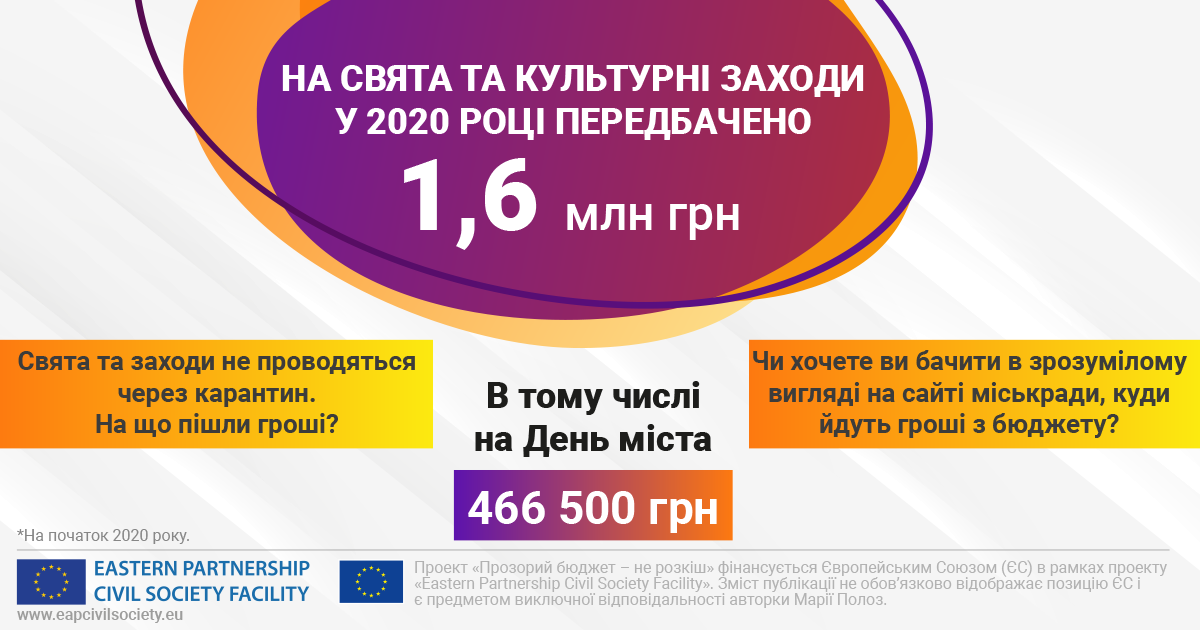
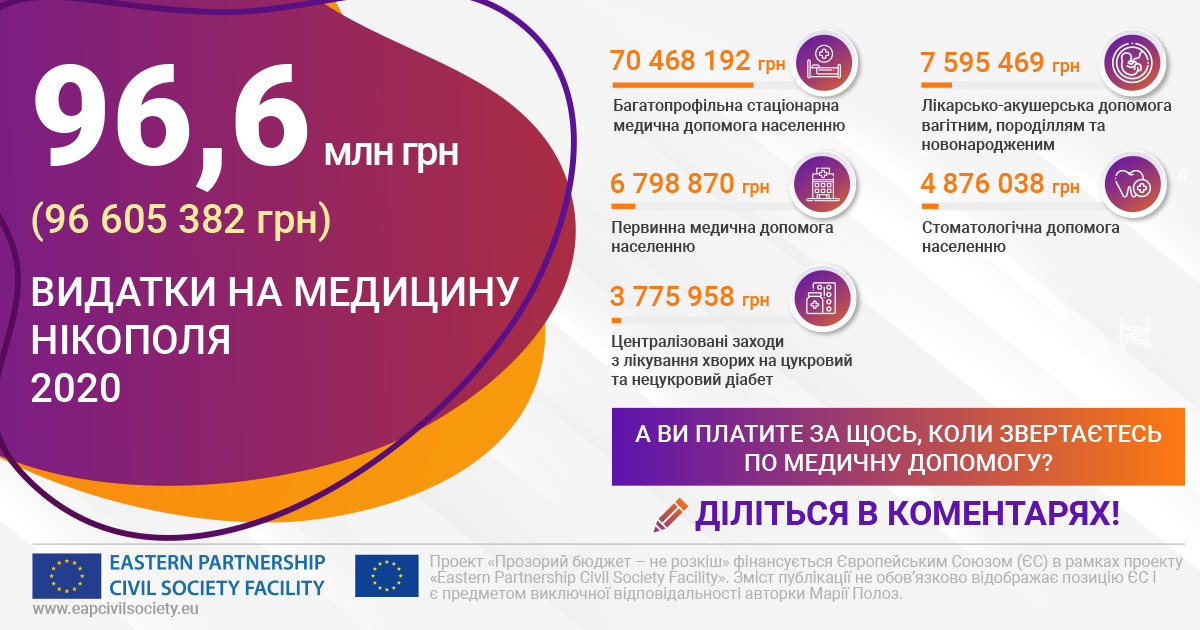
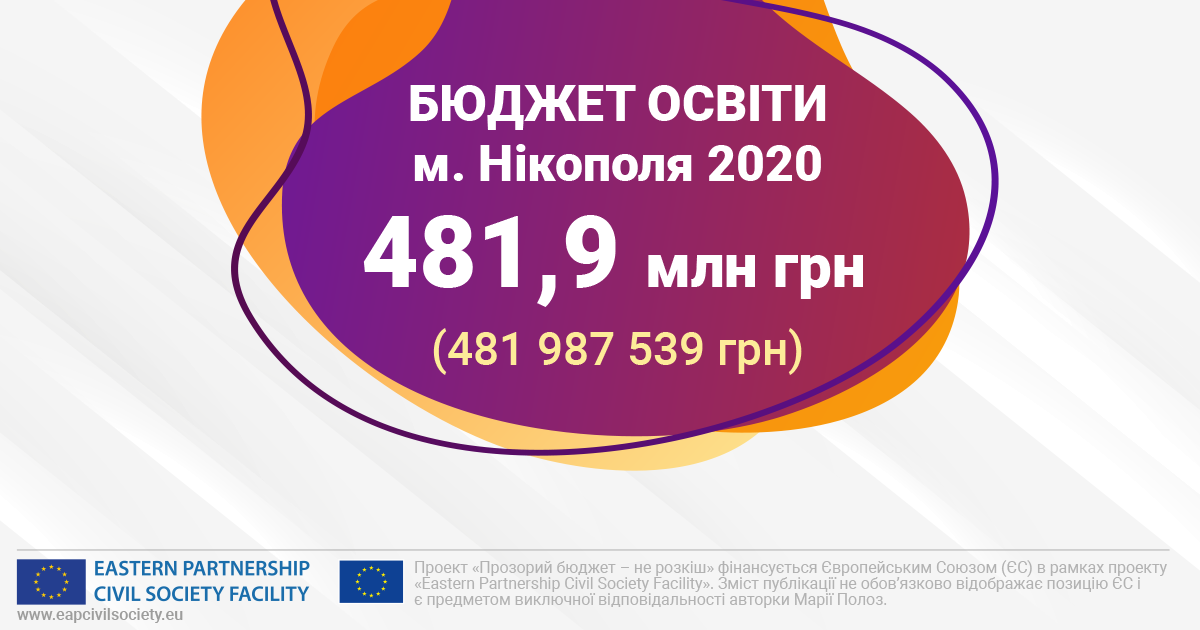
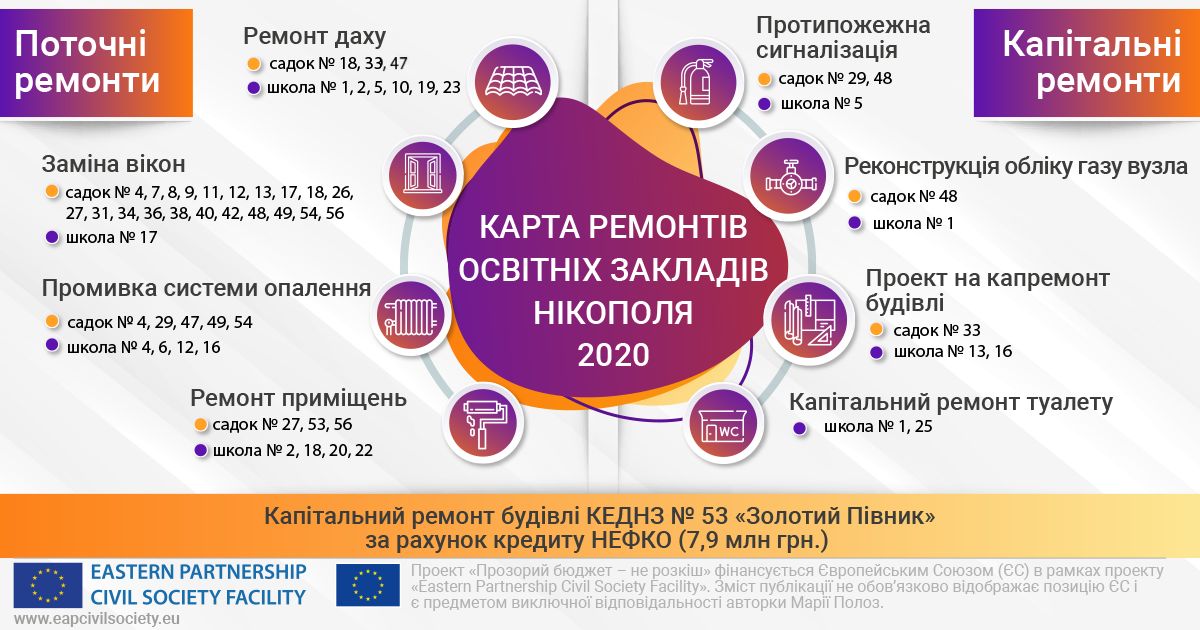
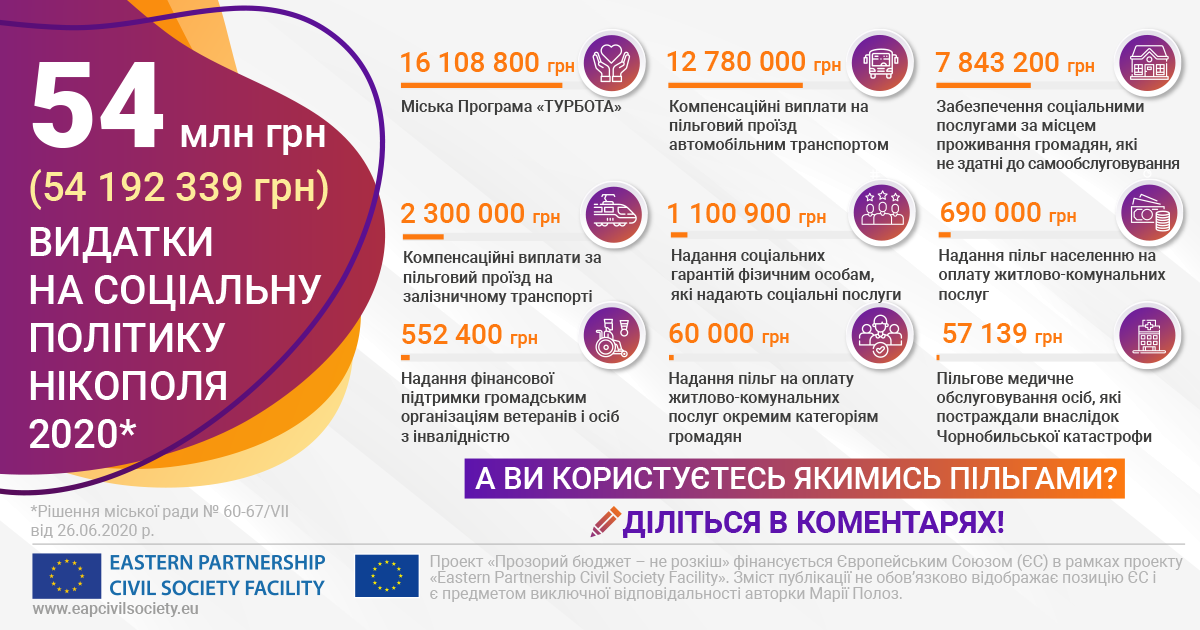
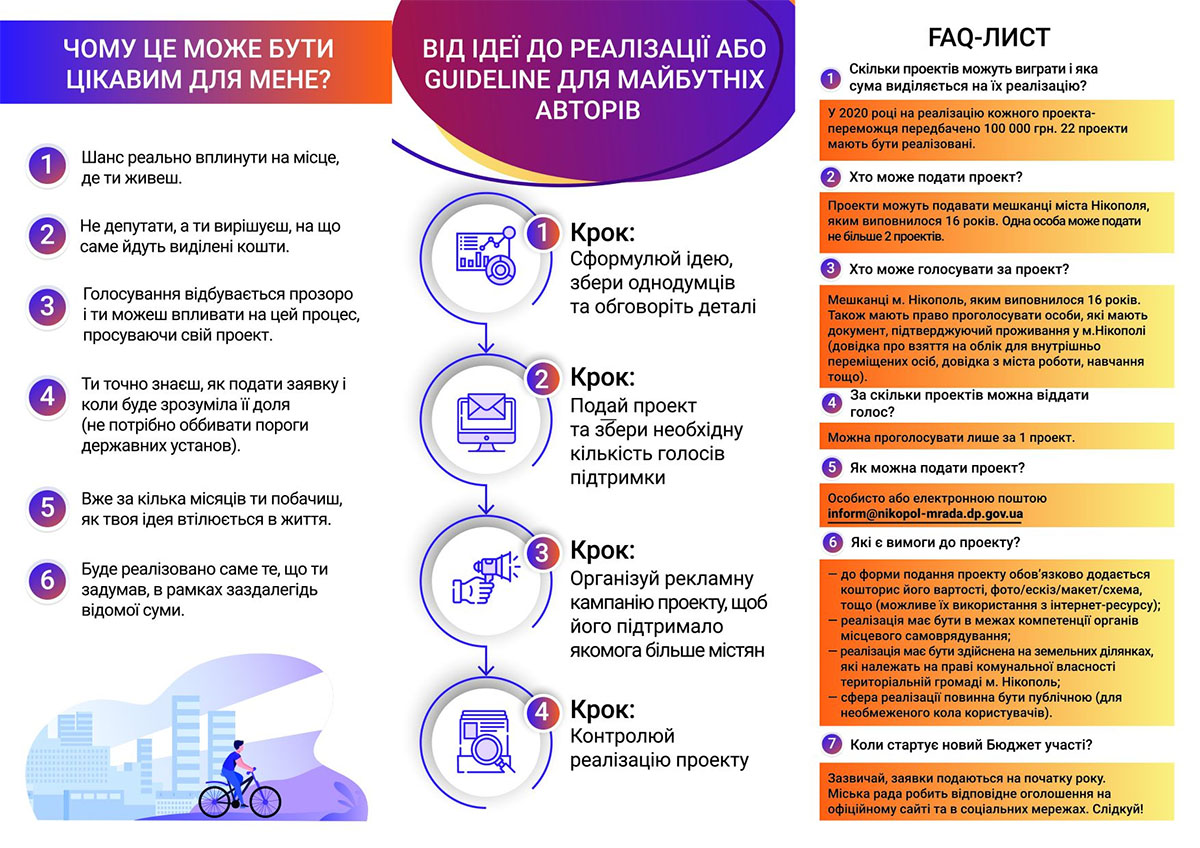
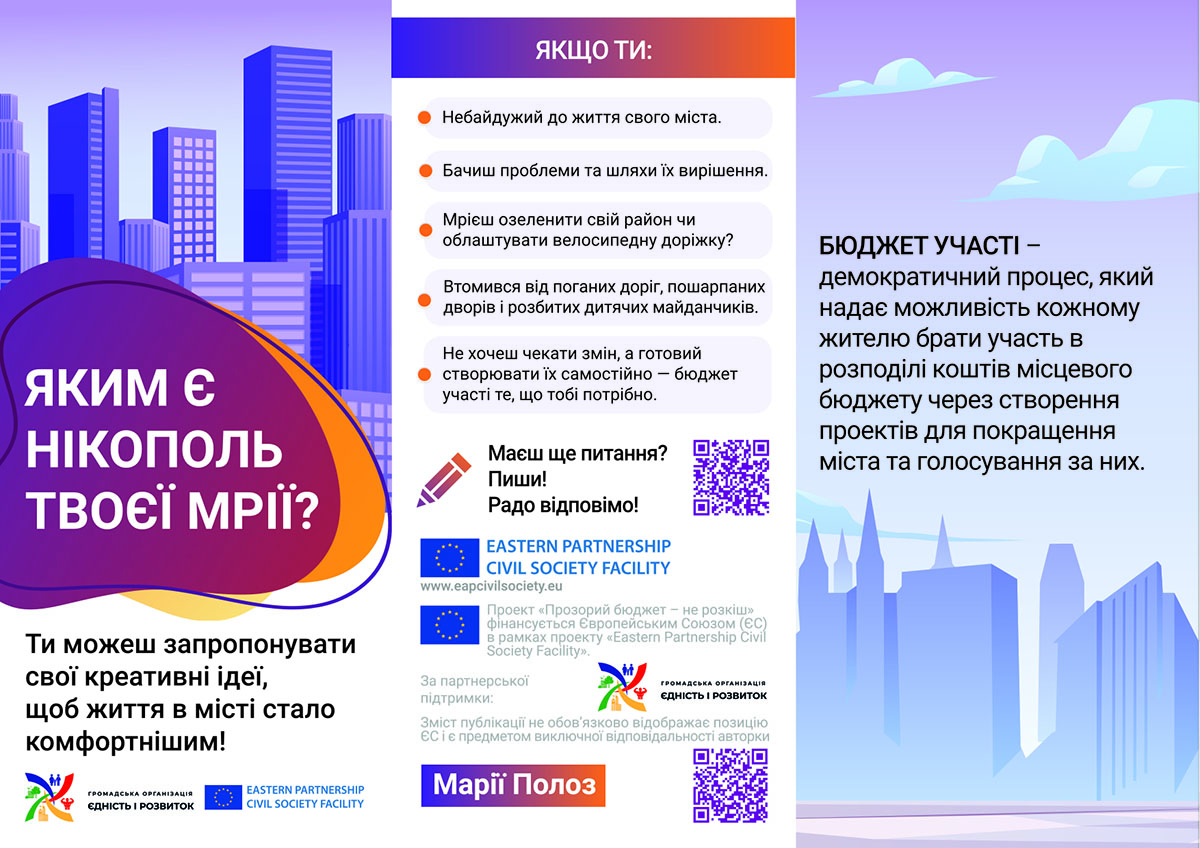
The action: Transparent Budget is not a Lux aimed to engage the citizens of Nikopol (a city in the Dnipropetrovsk Oblast of Ukraine) in monitoring the municipal budget and increase their participation on the local level. The action was implemented in three phases. First, Maria researched the municipal budget from the perspectives of education, healthcare, public expenditures and infrastructure (construction of roads and bridges). Following this, the project team organized awareness-raising campaigns and discussions; through the social media posts, publications and creative infographics, young people actively engaged in the discourse. At the last stage of the project, Maria organized awareness-raising training for the young leaders to advocate transparent budgeting tools and held a roundtable discussion engaging the project participants, local authorities, and representatives from the business & non-governmental sectors. The latter event served as a platform to collaborate with the decision-makers and share recommendations.

The project delivered the budget monitoring research document with a creative infographic on the municipal budget priorities of Nikopol City. Also, the action engaged 40 active young leaders and raised their awareness in participatory budgeting. As an outcome of the training, the participants developed 7 seed project initiatives on the topics of sports and rehabilitation centers, shelter for victims of domestic violence, workshops and education, etc. Also, through the visibility campaign, action reached nearly 161,452 people via social media channels; 60,000 local citizens via the outdoor advertisements, and 8,020 readers via the newspaper publications and informed them about the Nikopol budget expenditures. On top of that, the roundtable meeting facilitated dialogue among the stakeholders from the public, private and non-governmental sectors.  All in all, the action contributed to increasing the transparency of the local government and the budget of Nikopol City due to the high public control.

Project leaflet:

Project infographics:


Country Ukraine
The scope of
Type of solution
The technology used
The budget development decisions 0

Team

Enhanced Engagement of Civil Society in Monitoring of Implementation of the UN CEDAW in Ukraine

Leila’s action aimed to enhance the engagement of civil society in monitoring the implementation of the United Nations Convention on Elimination of All Forms of Discrimination Against Women (UN CEDAW) and recommendations of the Committee on Elimination of Discrimination Against Women (CEDAW). To ensure the holistic approach to the CSO involvement in CEDAW implementation, the project covered the following aspects: Alternative reporting and individual complaints procedures (elaboration on the joint alternative report to CEDAW in collaboration with the UN Women and the NGO Monitoring Group) & educational and community outreach activities. To deliver high-quality online training on gender and human rights, Leila engaged international experts and field-professionals. Also, to inform the larger audience about the application procedure and criteria of the individual complaints to the UN Women’s Rights Committee, she developed a short educational video in Ukrainian and disseminated it throughout the country. 

The project delivered 6 webinars and raised awareness and advocacy capacity of more than 130 non-governmental representatives from Ukraine, Eastern Partnership and other Eastern European and Central Asian Countries on Women’s Rights and UN CEDAW. Also, the action engaged civil society activists and international experts from Denmark, Romania, Moldova, Russia and Kyrgyzstan contributing to the development of the recommendations. In the long term, the project beneficiaries are equipped with the necessary skills to strengthen their advocacy for women’s rights by applying the UN human rights instruments, more precisely the UN CEDAW Optional Protocol. The project delivered the Joint Alternative Report to CEDAW, educational video and informational package that serves as the instrument and direction for better protection of women who are victims of gender-based discrimination.

Video on how to apply with individual complaints to UN CEDAW  (in Ukrainian – “Як звернутися в Комітет CEDAW”):

Country Ukraine
The scope of
Type of solution
The technology used
The budget development decisions 0

Team

Voting is not only our right, it is our power!

The action aimed to encourage the first-time voters (18 years old) from Moldova to vote at the Presidential Elections (October-November 2020) through the national advocacy campaign: Voting Is not only our right but also, Our Power! To enhance the young people’s political knowledge about the electoral process and transform their general anti-system attitude into constructive criticism, Ludmila conducted research, educational, community outreach and large-scale communication campaigns. To identify key messages, Ludmila conducted desk research and drafted a policy brief on youth voter participation in the Republic of Moldova. Following this, she developed educational videos and the e-learning course: Learn Elections with the Online Election Courses explaining the specifics of the Presidential, Parliamentary and Local elections. Then, Ludmila launched a social media campaign: My First Vote and encouraged electoral participation through the Facebook and Instagram platforms.  In the last stage of the project, she engaged the members of the National Network for Legal Education comprised of the Judges, Prosecutors, Lawyers, Anti-Corruption Officers and Civil Society Leaders to create the concept of the Democracy Classes containing 8 thematic webinars on the political engagement targeted on the high school students aged 17-18.

The Action produced a policy brief: Why You Should Vote along with 10 visual designs, promoting electoral participation among the young people in Moldova. Through the e-learning course and its 5 educational videos, the project engaged 200 users and raised their awareness of the national electoral systems. Also, the extensive advocacy campaign: My First Vote generated 32 Facebook/Instagram posts reaching and encouraging more than 76,000 young people to vote. On top of that, the Democracy Classes involved the field experts and educated 277 participants via the 5 live streams on the CIPM Facebook page. 

Online Course: Learn Elections with the Online Election Courses

Atributiile presedintelui / Duties of the President:

7 motive pentru care sa votezi / 7 reasons to vote:

Publication “My first vote”

Country Moldova
The scope of
Type of solution
The technology used
The budget development decisions 0

Team

Promoting Direct Democracy for Strengthening Human Rights in Armenia

The action: Promoting Direct Democracy for Strengthening Human Rights in Armenia aimed to monitor the implementation of the National Strategy for the Protection of Human Rights and its Implementation Action Plan (2020-2022). The project engaged local authorities, public officials, lawyers, young activists, civil society representatives, and watchdog organizations. At the beginning of the project, Syuzanna researched the Swedish and Georgian experience in CSO engagement in policy making and effective monitoring of policy implementation. Then, she organized 4 awareness-raising workshops for the public officials from state and local government bodies, lawyers, CSOs and other interested stakeholders from 3 regions and Yerevan. The seminars were followed by the national youth conference: The RA National Strategy on Human Rights Protection: Challenges and Perspectives engaging young professionals in discourse. Afterwards, Syuzanna conducted online in-depth interviews and focus groups with the field experts to identify the possible gaps in the strategy and produce the monitoring report. Finally, she organized the CSO-Government Dialogue Conference to discuss the report findings and proposed amendments in the National Strategy.

The project delivered the evidence-based monitoring report and recommendations to the Republic of Armenia tailored to the National Strategy and Human Rights protection. The research ensured the accountability of the RA Government and the Ministry of Justice in the sector of human rights. The final conference facilitated the Public-State consensus on the various issues, including the necessity to amend the RA National Strategy. The majority of the recommendations were taken into account by the Government and the process to amend the National Strategy was about to start as of the end of the Fellowship.

The seminars and workshops raised awareness of 157 young professionals from the civic and legal sectors. Then, the youth conference engaged 21 researchers, out of whom 11 produced a research paper on the National Strategy. The events engaged the high-level officials, including the Human Rights Defender and Deputy Minister of Justice of Armenia, and the EU-Delegation representatives to Armenia.

Evidence-based Monitoring of the National Strategy for the Protection of Human Rights and its Implementation Action Plan for 2020-2022

Project in media:

Country Armenia
The scope of
Type of solution
The technology used
The budget development decisions 0

Team

Citizen Engagement for Transparent Land Management in Rural United Territorial Communities of Ukraine

The project aimed to foster citizens’ engagement in the rural United Territorial Communities (Hromadas) and promote transparent land management in Ukraine. To achieve the above objectives, Oleksandra applied high-quality and user-center IT solutions & GIS technologies to the research and visibility campaigns. First and foremost, she created the opinion polls for Hromadas and researched the problems of AHs, data mining to explore the land management practices on the local level. Then, she mobilized the field experts and organized the online ideation to exchange expertise with the rural community. Finally, to increase the land management transparency, Olaksanda disseminated the results of the research and online webinars/ideathon with the local people and the decision-makers. 

The action raised awareness of the local authorities and civil activists from more than 150 rural areas of Ukraine. Also, the project delivered a research document and opinion poll summary to enhance citizens’ access to information about the effective management of land resources. Within the frame of the fellowship, Oleksandra created a Facebook network of the Project Ambassadors unifying the community representatives and experts in one group. To disseminate the project deliverables and reach  a larger audience, she developed an online course comprising 8 educational webinars and engaging more than 900 participants. On top of that, the project created a map of good practices for better engagement and facilitated the dialogue between the local community and the authorities via sharing the recommendations based on the results of the online ideathon, research & opinion poll summary, webinars and joint action plan.

Project website: Transparent Lands with the Map of good practices for the better engagement and educational video lectures. 

Research Paper (in Ukrainian):

Project in media:

Залучення громадян для управління земельними ресурсами у громадах – результати дослідження


Country Ukraine
The scope of
Type of solution
The technology used
The budget development decisions 0

Team

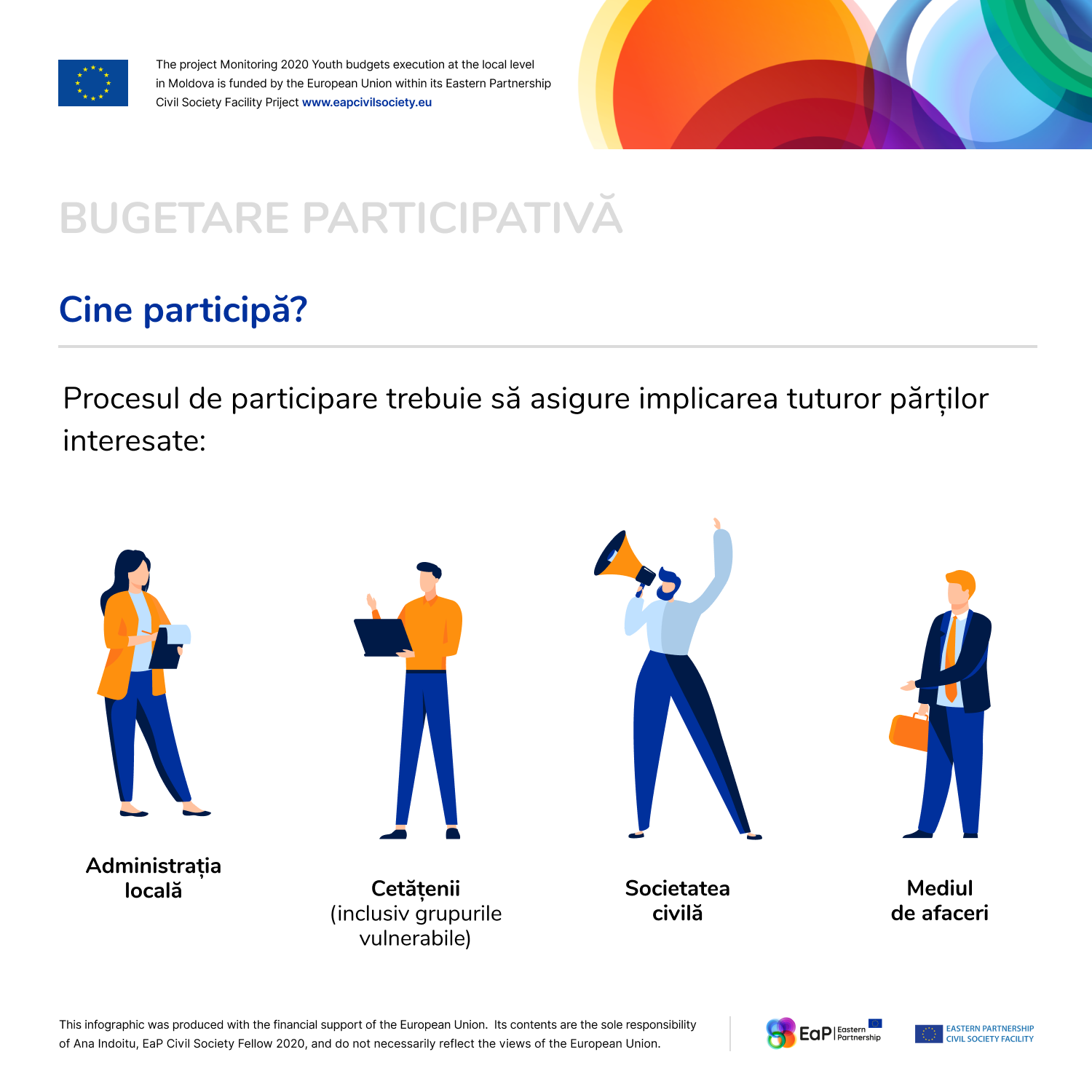
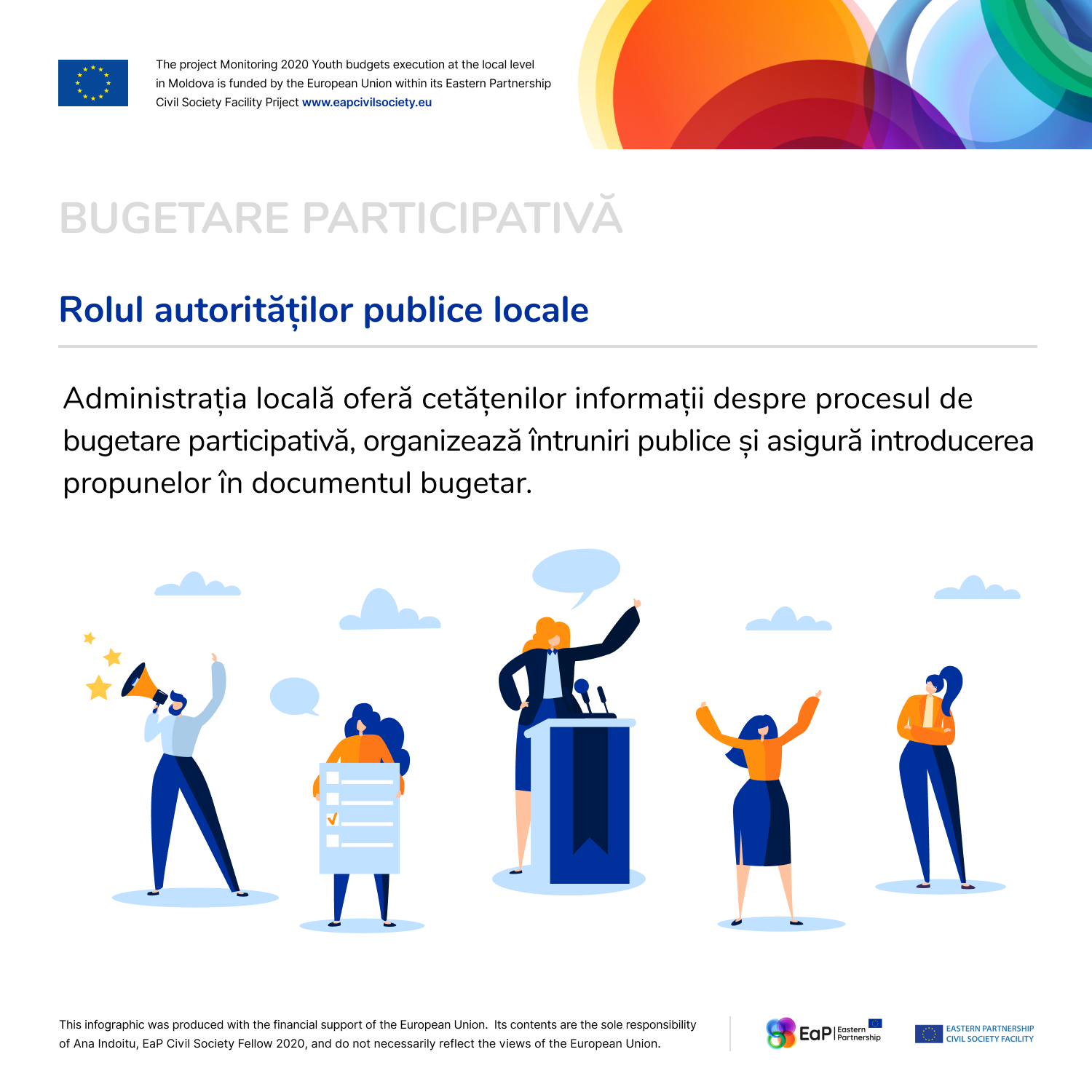
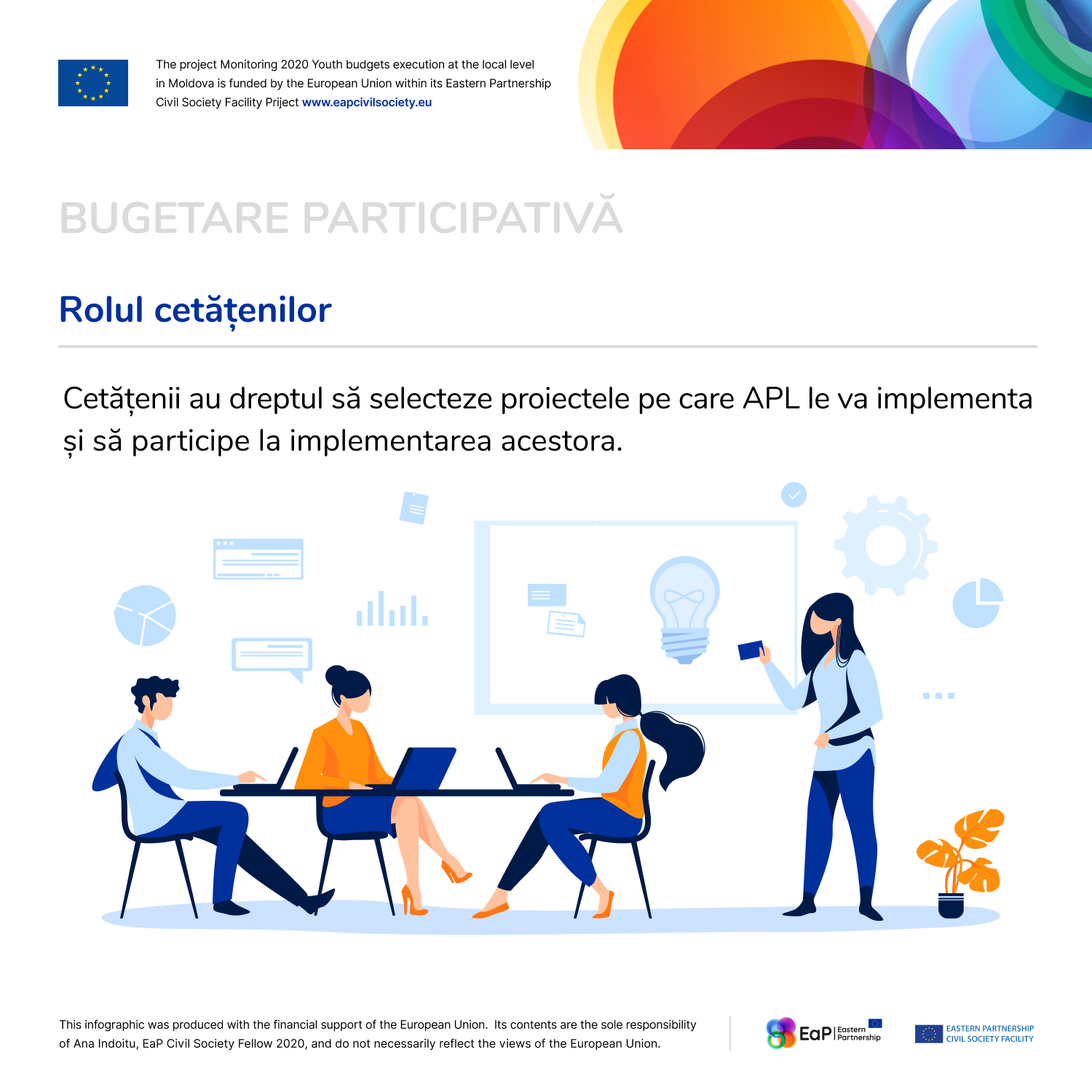
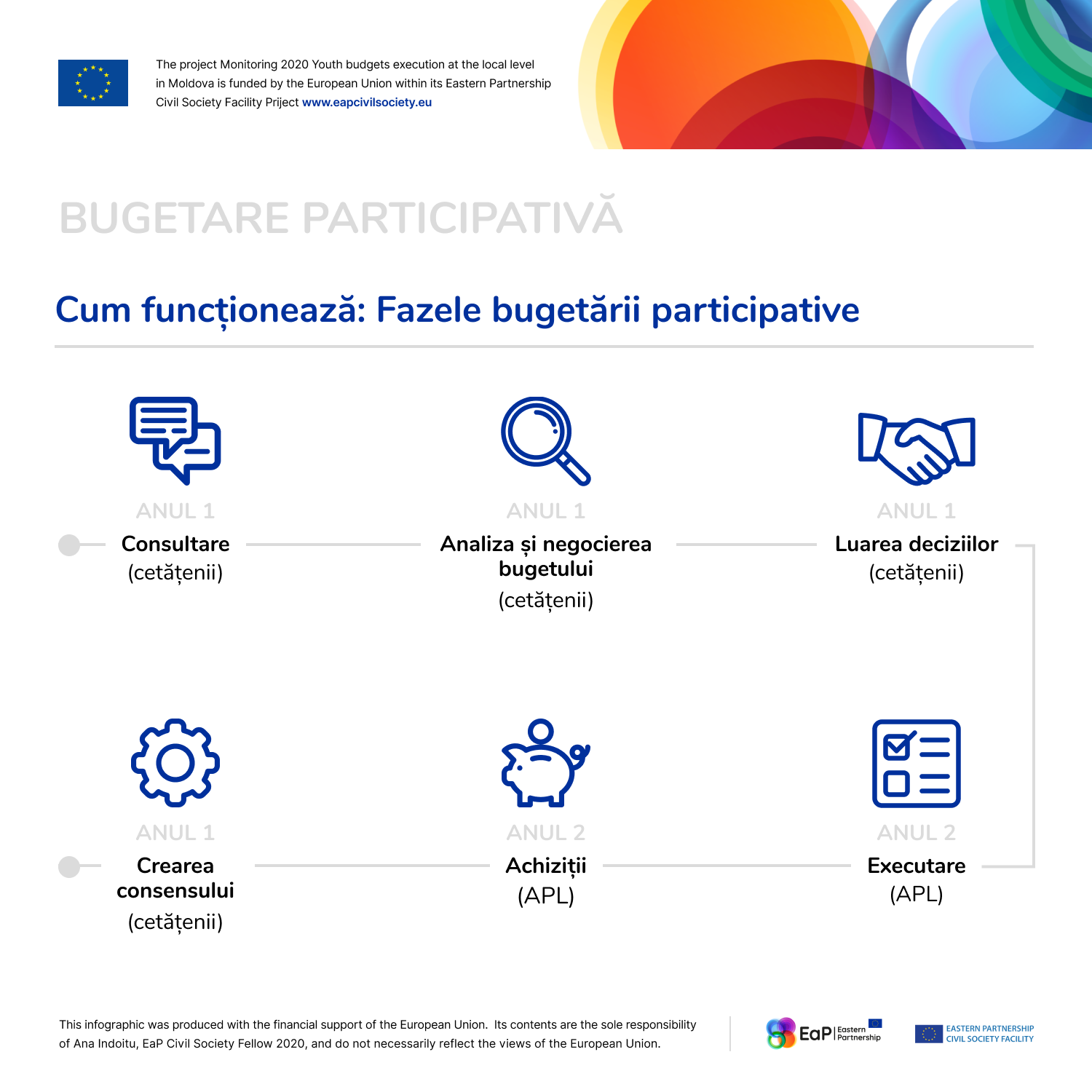
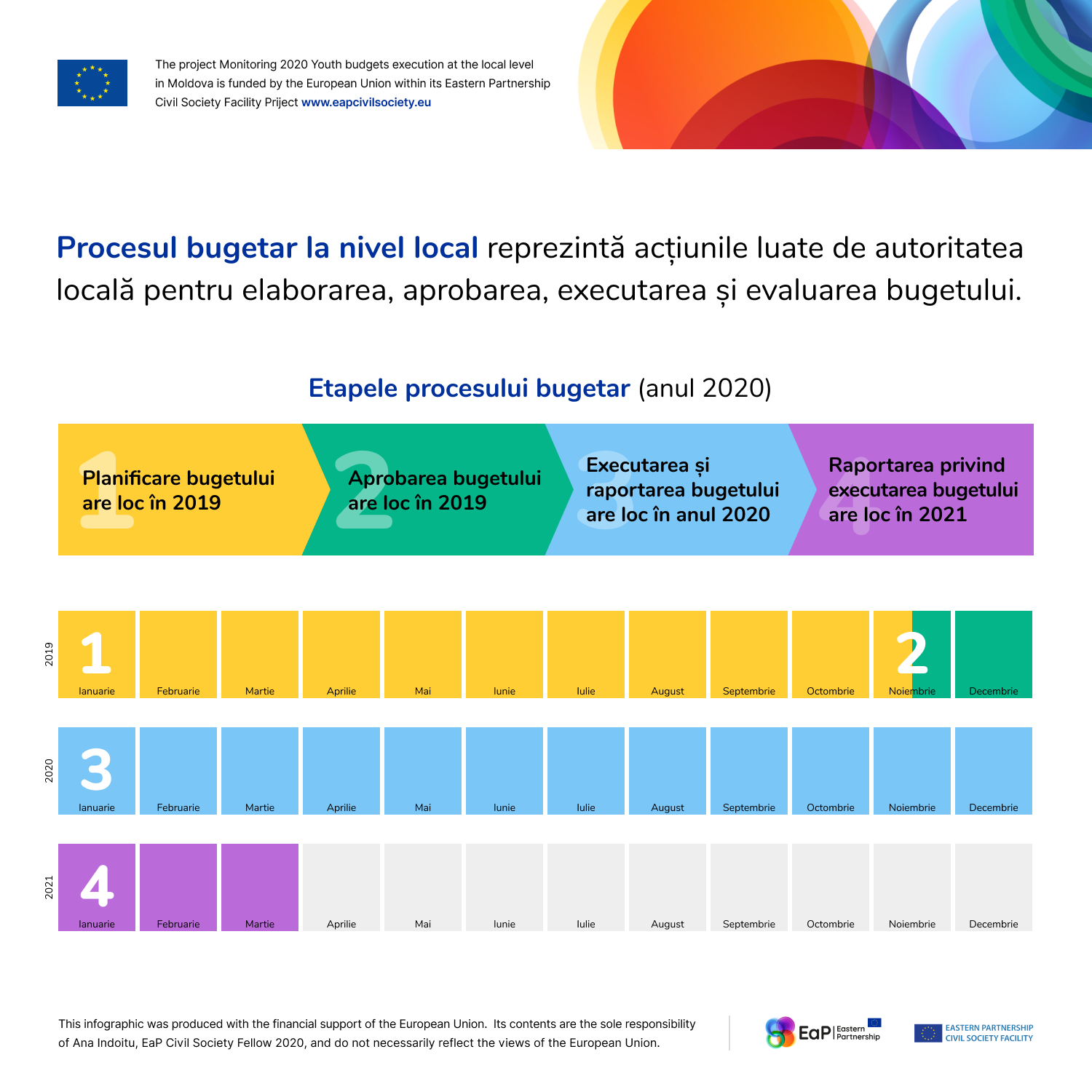
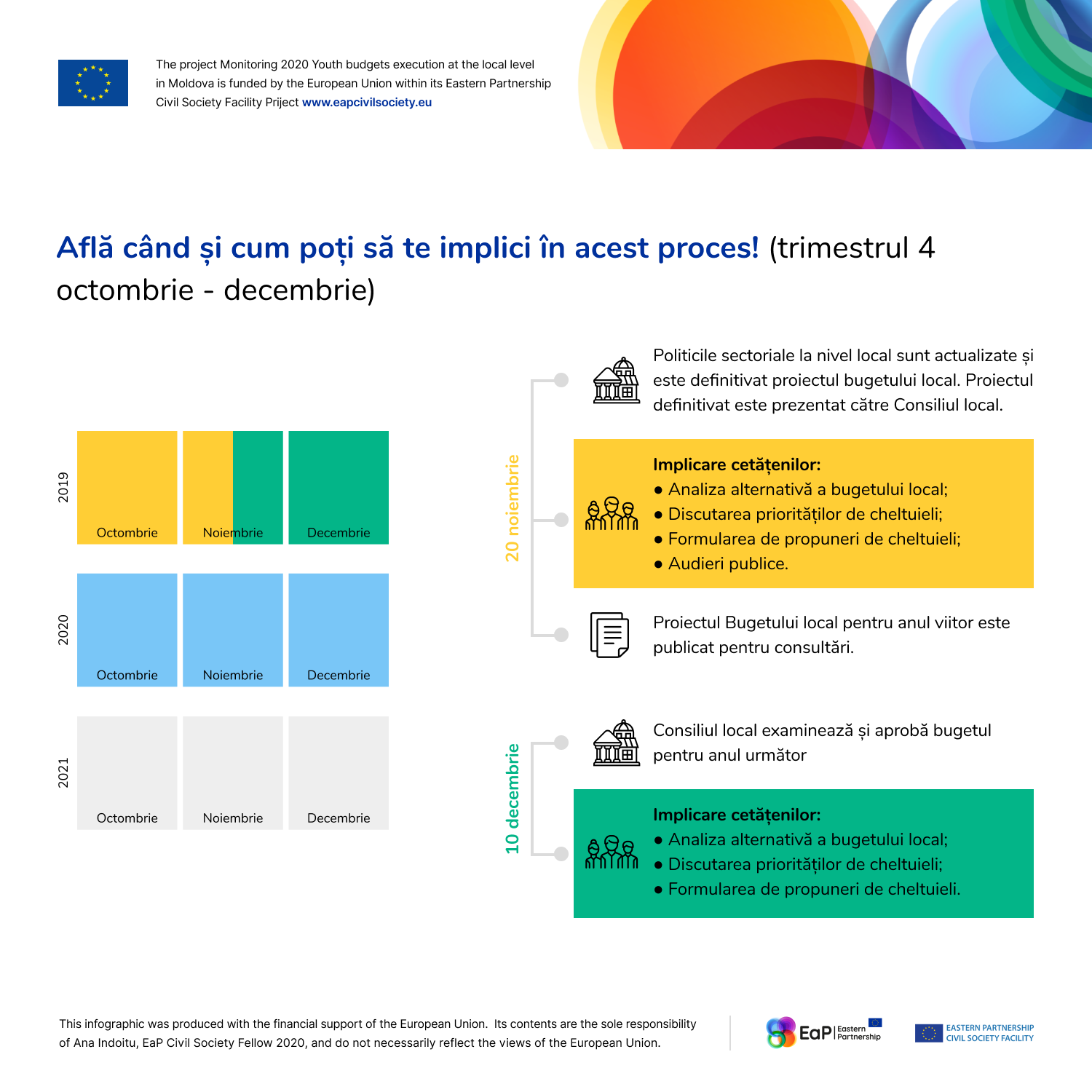
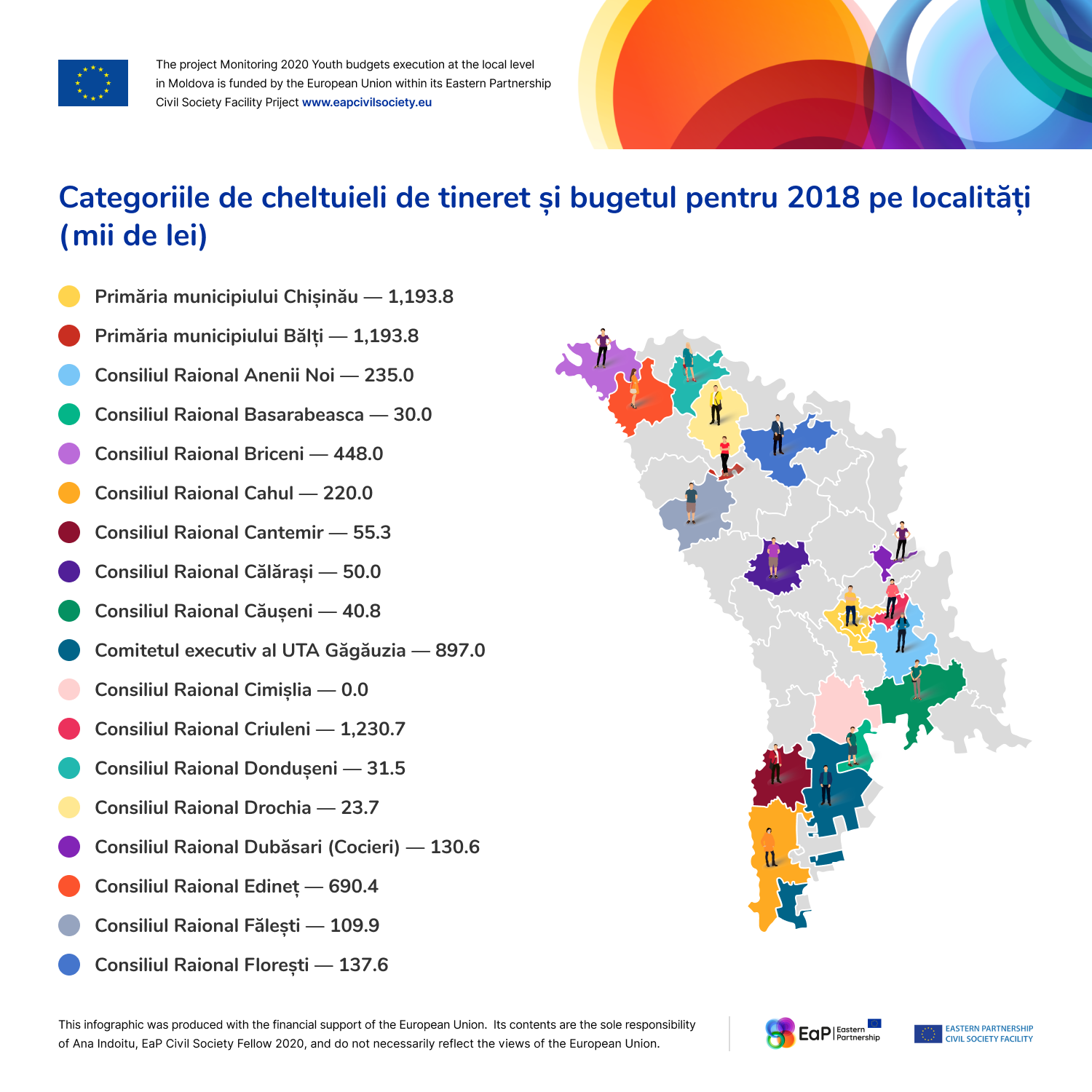
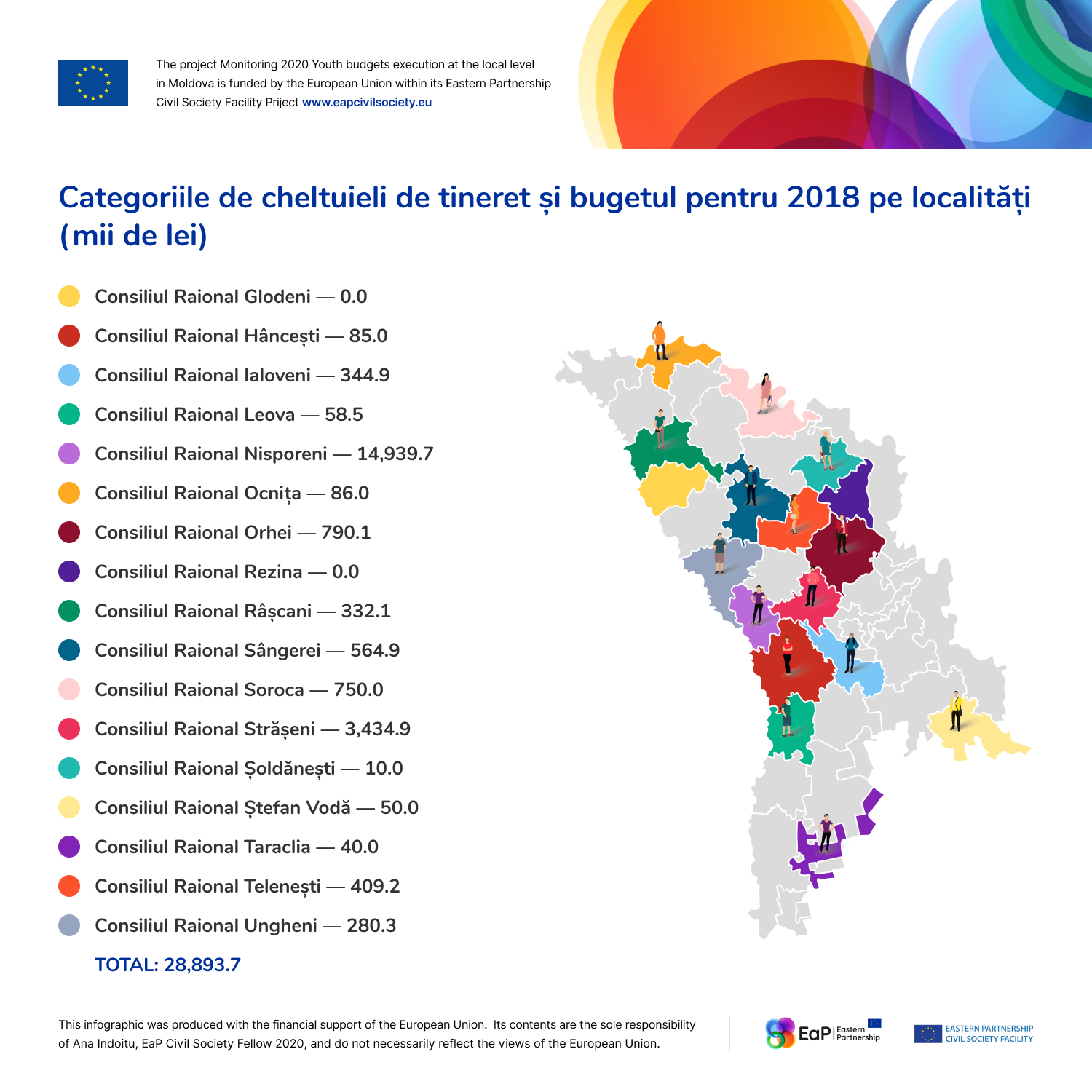
Monitoring 2020 Youth Budgets Execution at the Local Level in Moldova

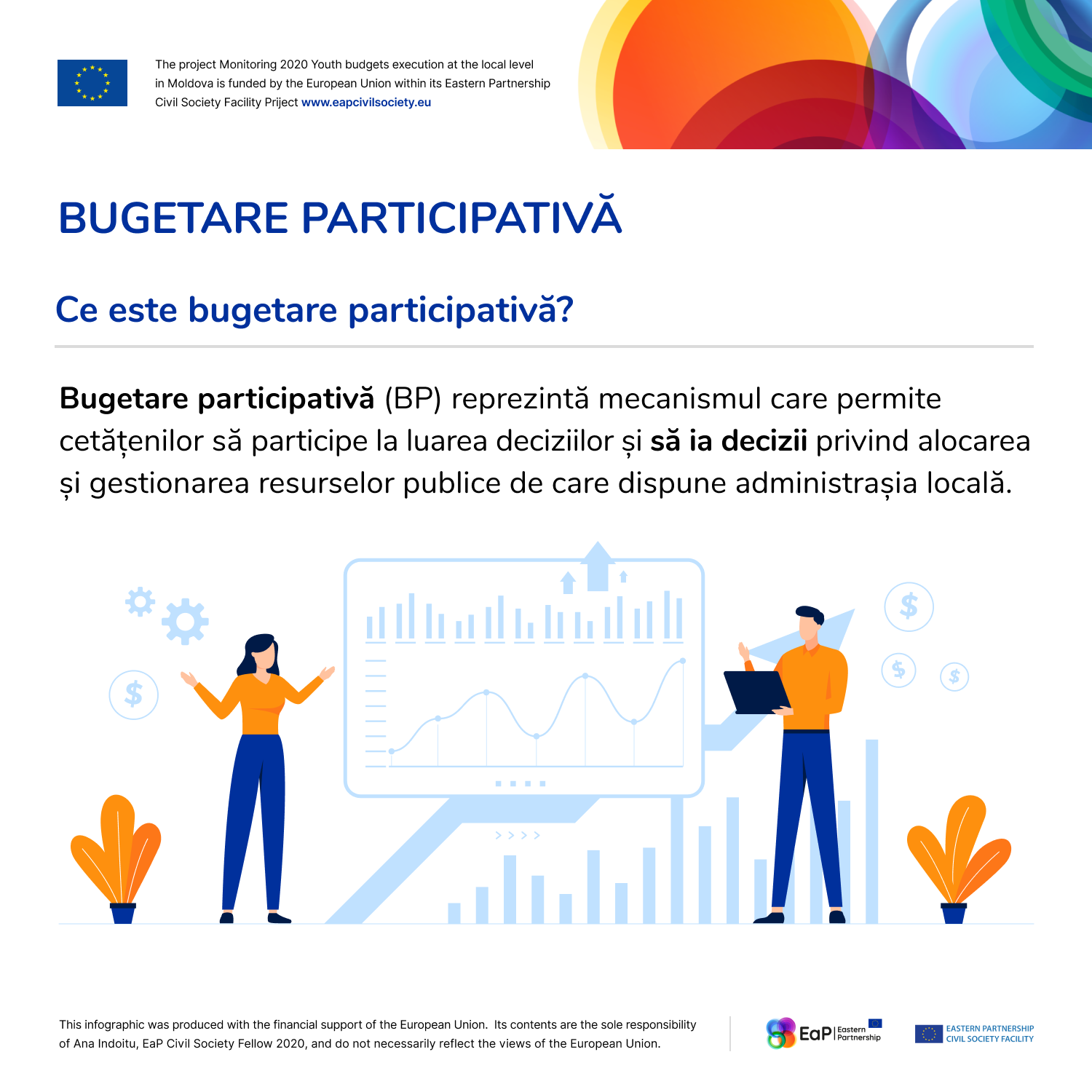
The project aimed to develop an open source of data on youth budget in Moldova, raise visibility of the budgetary process and build capacity for the young leaders to monitor and advocate their initiatives at the local level. The project was implemented in five stages. First, Anna researched data on the Ministry of Finance of Moldova, developed an evidence-based youth budget map and integrated it on the website of the National Youth Council of Moldova. Then, she developed an online course (#YOUr(th)BUDGET program) on budgetary participation for young activists; 7 training sessions with a clear illustration of the public process of budgeting, methods and tools to participate is available on Youtube channels of Invento and NYCM. Following this, Ana conducted  mentoring webinars and one offline training for the young people and youth workers from the eight regions (Comrat, Șoldănești, Fălești, Chișinău, Drochia, Rezina, Glodeni, Cimișlia) of Moldova. Afterwards, she launched the YouthPodcast: #Public Money for Youth, producing 3 video and 3 audio podcasts to promote youth leadership and budgetary participation. The last phase of the project comprised the Local campaigns on #knowYOUr(th)Budget. Once trained and mentored, the young people from the above regions developed proposals on youth budget and action plans for 2021 that were submitted to the local authorities. In total, 7 action plans were proposed. 

The action raised awareness of the youth budget monitoring and developed/promoted evidence-based initiatives through the official page of the National Youth Council of Moldova reaching more than 20,000 young people. Also, it advocated for youth budgetary participation on the local level through the online course and mentoring webinars engaging more than 430 young leaders from the 8 regions of Moldova. Moreover, youthpodcast #Public Money for Youth promoted the success stories of meaningful participation by the executives of the National Youth Council of Moldova, Municipal Youth Center from Chișinău, etc. and reached more than 3 000 young people. Finally, as a tangible deliverable of the #knowYOUr(th)Budget campaign, two regions (Fălești and Rezina) integrated the youth proposals to the municipal budget for 2021.

Project infographics:

Online course (#YOUr(th)BUDGET program) on budgetary participation for young activists (in Romanian):

Buget public pentru TINEri – Episodul 1: Introducere | #You(r)th Budget

Buget public pentru TINEri – Episodul 2: De ce este importantă participarea #You(r)th Budget

Buget public pentru TINEri – Episodul 3: Structura Bugetului Public #You(r)th Budget

Buget public pentru TINEri – Episodul 4: Structura Bugetului Public #You(r)th Budget

Buget public pentru TINEri – Episodul 5: Procesul bugetar #You(r)th Budget

Buget public pentru TINEri – Episodul 6: Cum participăm? #You(r)th Budget

Buget public pentru TINEri – Episodul 7: Cheltuielile de tineret #You(r)th Budget

Country Moldova
The scope of
Type of solution
The technology used
The budget development decisions 0

Team